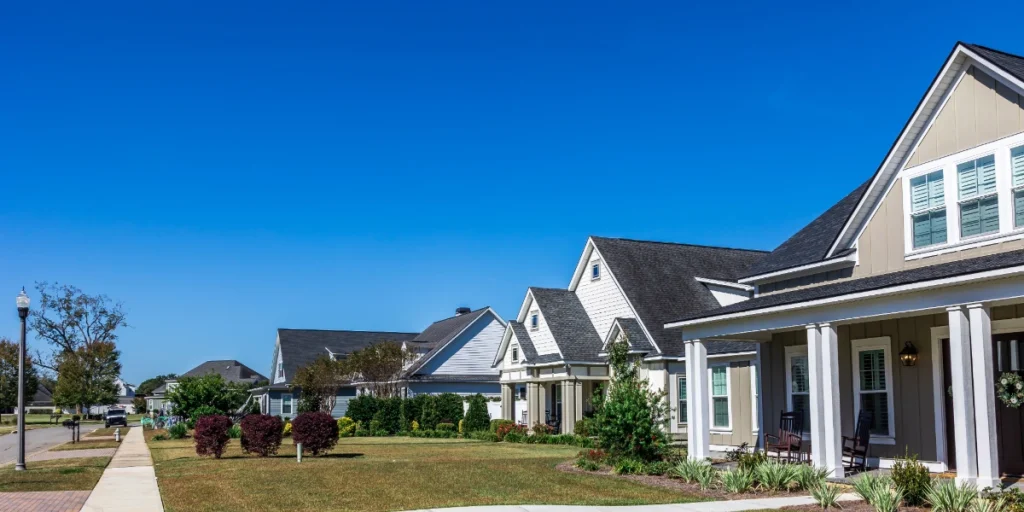
Are you about to replace your roof in Kansas City and dreading the extra hurdle of HOA approval? For many homeowners, tackling HOA requirements can be the most frustrating part of an already complex project. After guiding hundreds through this process, Bill West Roofing knows firsthand that understanding these requirements early can spare you delays, expenses, and stress. HOAs in Kansas City typically enforce strict rules about materials, colors, and timelines—but with the right preparation, you can keep your roof project on schedule and your home protected.
Understanding HOA Roofing Guidelines in the Kansas City Area
HOA roofing guidelines exist to maintain property values and neighborhood aesthetics across Kansas City communities, from Blue Springs to Overland Park. Your association’s Covenants, Conditions, and Restrictions (CC&Rs) outline specific requirements for roofing materials, colors, styles, and even installation timelines. These rules vary significantly between neighborhoods—what’s acceptable in Lee’s Summit might differ from requirements in Leawood or Independence.
Before you meet with any roofing company in Kansas City, grab your HOA documents and look for the architectural review or modification section. This tells you exactly what you’ll need to submit and who makes the final decision. Most Kansas City HOAs require written applications with material samples, manufacturer specifications, and contractor information before approving any HOA roof replacement project.
Common HOA Restrictions on Roofing Materials
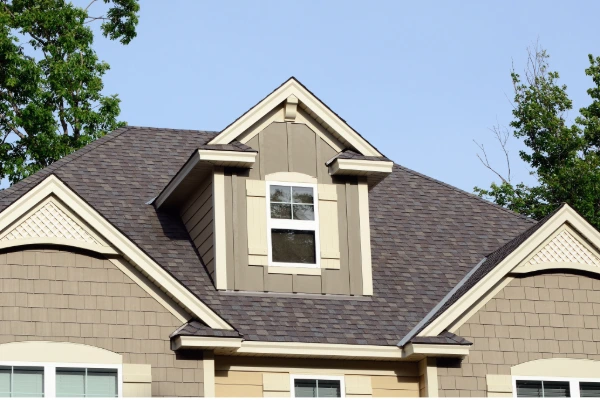
Most Kansas City HOAs approve architectural shingles from major manufacturers like Owens Corning, CertainTeed, and GAF, but they often specify minimum quality grades. Your HOA might require dimensional or architectural shingles rather than standard three-tab options, which affects both appearance and cost. Some associations restrict metal roofing or require specific profiles if metal is allowed.
Color restrictions are particularly common. Many HOAs maintain approved color palettes that complement the neighborhood’s overall look. Your association might prohibit bright or reflective colors while requiring earth tones or colors that match existing homes. Reading your CC&Rs carefully prevents surprises after you’ve already chosen materials, and working with experienced roofers like Bill West Roofing means you’ll select compliant options from the start.
Timeline Requirements for HOA Approval
HOA approval timelines vary, but most Kansas City associations require 30 to 45 days for architectural review committee decisions. Some boards meet monthly, which means submitting your application right after a meeting could delay your project by weeks. Key takeaway: Plan ahead to account for possible delays, especially if your roof has storm damage or leaks.
Contact your HOA management company immediately to learn their meeting schedule and submission deadlines. Ask whether they offer expedited review for emergency situations like storm damage or active leaks. Many associations will fast-track approvals when homeowners provide documentation from their insurance company or roofing contractor showing an urgent need. Completing and submitting your application quickly keeps your project moving forward.
Getting HOA Approval for Your Roof Replacement
The approval process starts with a complete application to your architectural review committee or HOA board. This typically includes a detailed project description, contractor information, material specifications with brand names and colors, manufacturer brochures or samples, project timeline, and sometimes even your contractor’s license and insurance documentation. Key takeaway: Incomplete applications cause delays—gather all required information before submitting.
When working with Bill West Roofing on your HOA roofing project, we provide all the technical specifications and material information your HOA needs, making your application stronger and more likely to get quick approval. Take photos of your current roof from multiple angles—some HOAs want to see existing conditions before approving changes.
Submitting a Strong HOA Application

Your application needs to clearly demonstrate compliance with all HOA guidelines while explaining why your roof replacement is necessary. Include documentation of age, damage, or wear that justifies the project. If you’re filing an insurance claim for storm damage, include your adjuster’s report and estimate—this shows the replacement isn’t just cosmetic.
List the specific products you’re planning to use with manufacturer names, product lines, and color names rather than vague descriptions. For example, “Owens Corning Duration shingles in Estate Gray” is better than “gray architectural shingles.” Provide warranty information showing your materials meet or exceed HOA requirements. A well-prepared application with complete information moves through the approval process faster than applications requiring follow-up questions or additional documentation.
What Happens If You Install Before HOA Approval?
Installing your roof before getting HOA board approval violates most CC&Rs and creates serious problems. Your association can issue fines, demand removal and replacement at your expense, place liens on your property, or deny approval after the work is done. Even if you’re dealing with an emergency like a leak or storm damage, most HOAs require at least notification before work begins.
If you absolutely must start work immediately, contact your HOA in writing explaining the emergency situation, provide all standard application materials, and request retroactive approval or emergency authorization. Document everything—take photos of the damage, keep copies of all communications, and save contractor reports showing why immediate work was necessary. This doesn’t guarantee approval, but it demonstrates good faith and might prevent penalties.
Working With Your Roofing Contractor and HOA
Choosing a roofing company in Kansas City with HOA experience makes the entire process smoother. We’ve worked with dozens of associations across Kansas City, Blue Springs, Lee’s Summit, Overland Park, and Independence, so we know what documentation they typically require. Before you submit your application, we’ll provide detailed material specifications, manufacturer information, and project timelines formatted for HOA review. Call us today to make your HOA roof replacement process as easy as possible.
We can also communicate directly with your architectural committee if they have technical questions about materials, installation methods, or warranties. Our experience with commercial roofing HOA projects means we understand the importance of following established procedures and meeting community standards while completing your roof replacement efficiently.
Yes, HOA approval and city permits are separate requirements, and you need both. Kansas City, Missouri, requires building permits for most roof replacements through the City Planning and Development Department. You can find specific requirements on their code questions page. The permit process verifies your project meets building codes for structural integrity, fire safety, and proper installation.
Cities like Overland Park, Leawood, Independence, and Lee’s Summit have their own permit requirements separate from Kansas City’s rules. Your roofing contractor should handle permit applications, inspections, and ensure code compliance—this is standard practice for professional roofers. Bill West Roofing manages all permitting requirements for your project, so you don’t have to navigate multiple government offices while also dealing with HOA paperwork.
For single-family homes, the homeowner pays the insurance deductible even when storm damage affects multiple properties in the HOA. Your personal homeowners policy covers your dwelling, and you’re responsible for your deductible regardless of whether neighbors also filed claims.
However, if you live in a condominium or townhome where the HOA’s master policy covers the roof structure, the association might pay the deductible and then assess unit owners for their share. This varies by HOA and policy type, so review your association’s insurance documents or contact the management company. If you’re filing a storm damage claim, coordinate with your roofing contractor to document all damage thoroughly—this helps maximize your insurance settlement and might reduce your out-of-pocket costs beyond the deductible.
Color and Material Restrictions in Kansas City HOAs
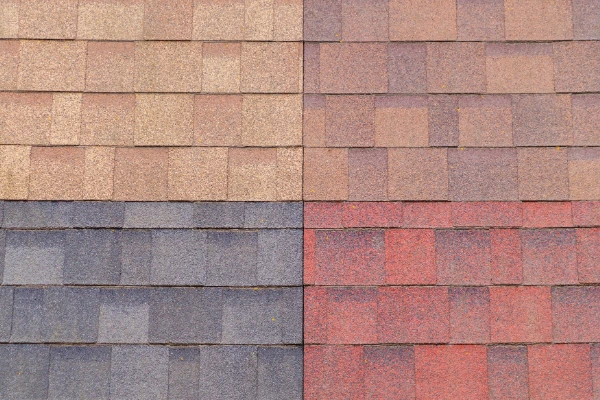
Kansas City HOAs often maintain approved color palettes, limiting your shingle choices to specific ranges. Some associations require exact color matches when only replacing one roof in a row of attached homes. Others allow any color within their approved palette, giving you more flexibility.
Common Kansas City HOA-approved colors include earth tones like weathered wood, driftwood, estate gray, brownwood, and aged copper. Bright colors, pure white, or reflective surfaces are typically prohibited. Before selecting your shingles, get your HOA’s approved color list—all three major manufacturers we work with (Owens Corning, CertainTeed, and GAF) offer extensive color options, so you’ll find something appealing that meets your association’s requirements.
Can Your HOA Force You to Use Specific Brands or Grades?
Most HOAs don’t require specific brands unless their governing documents explicitly list them, but can mandate minimum quality standards. Your CC&Rs might specify architectural or dimensional shingles rather than three-tab shingles, or require minimum warranty periods like 30 or 50 years. These requirements protect property values by maintaining quality standards across the neighborhood.
Some associations require specific certifications, like Class 4 impact resistance or certain wind ratings for insurance purposes. As long as your chosen materials meet the stated requirements in your CC&Rs, your HOA can’t force you to use one manufacturer over another. Bill West Roofing works with Owens Corning as our primary supplier, along with CertainTeed and GAF, giving you quality options that satisfy even strict HOA requirements while fitting your budget and preferences.
Protecting Your Home While Following HOA Procedures
Living in an HOA community means balancing association rules with practical needs. When your roof is damaged or reaching the end of its lifespan, you want protection now—but you also need to follow proper procedures. Start the approval process early if you know your roof is aging, before emergency situations force rushed decisions. Keep your HOA informed throughout the process, especially if timelines change due to weather, material availability, or inspection results. Professional roofers understand these challenges and work efficiently once approvals are in place, minimizing the time your home is vulnerable.
Bill West Roofing—a family roofer keeping homes strong for generations to come—has guided Kansas City homeowners through countless HOA roofing projects since 1976. We know the local associations, understand their requirements, and provide all the documentation you need for quick approval. Contact Bill West Roofing today for a free inspection and help navigating your HOA’s approval process. We’ll help you preserve the family home your kids and grandkids can return to, starting with a roof replacement that meets every requirement and protects your home for decades to come. May they always come home to a solid roof overhead.