Summer in Kansas City doesn’t ask permission. One afternoon, you’re mowing the lawn, and by evening, a hailstorm is hammering your neighborhood. At Bill West Roofing, we’ve been helping homeowners across the metro pick up the pieces after storms like these since 1976, and the calls that come in the days after a bad hailstorm are some of the most urgent we receive. The roof over your head isn’t just a structure. It’s the thing that keeps the family home standing long enough for your kids and grandkids to come back to it. That’s worth protecting.
Here’s what you need to know when hail rolls through your part of the Kansas City area.
How Do I Know If My Roof Has Hail Damage?
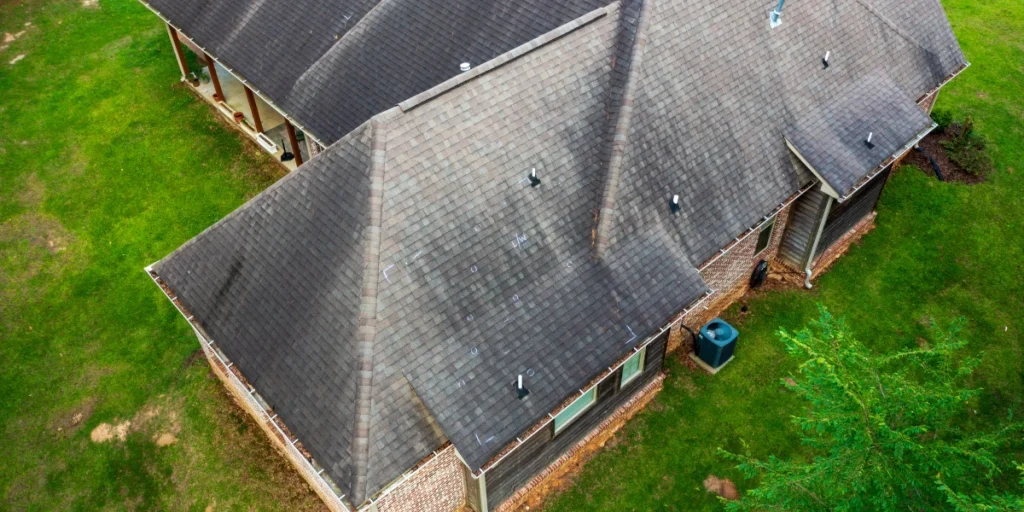
Hail damage isn’t always obvious from the ground, but there are signs you can look for without climbing a ladder. After a storm, walk your property and check for dented gutters, cracked or broken window trim, and bruised siding. If your downspouts are dented, your roof likely took a hit too. Granules from asphalt shingles washing into your gutters or pooling in the yard are another red flag. These small ceramic granules protect the shingle from UV exposure and water. When they’re gone, the shingle’s lifespan drops sharply. A professional hail damage roof inspection is the only way to know for sure what you’re dealing with.
What Does Hail Damage Look Like on Shingles?
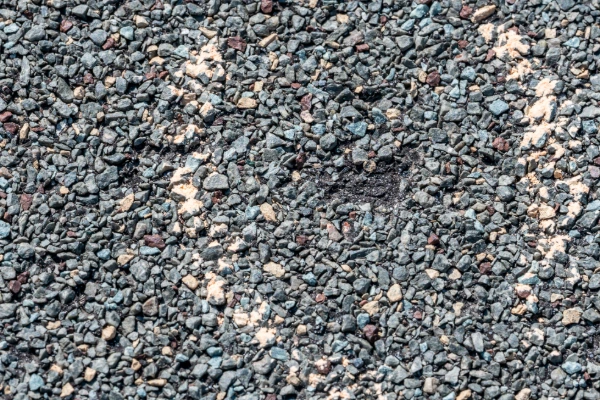
On asphalt shingles, hail damage typically shows up as dark, round impact spots (often called bruising), where granules have been knocked loose. Run your hand over the spot, and it may feel soft or spongy, like a bruise on an apple. The exposed asphalt underneath will start to crack and deteriorate without that granule layer protecting it. On metal roofs, look for visible dents or dings across the surface. Flat roofs may show punctures, tears, or surface bubbling. Not all hail strikes look the same. Measurable roof damage can be caused by hailstones as small as one inch in diameter, especially on older or already-weathered shingles.
What Size Hail Causes Roof Damage?
This is one of the most common questions we hear. The general rule: hailstones one inch in diameter or larger pose a real risk to asphalt shingles. That’s roughly the size of a quarter. Larger stones — golf ball size (1.75 inches) or bigger — can crack shingles outright and damage the roof deck below. Wind speed matters too. Hail driven at an angle by strong winds hits harder than hail falling straight down. Communities like Lee’s Summit, Independence, and Oak Grove sit in some of the most active spring and early summer storm corridors in Missouri, meaning multi-inch hail events aren’t unusual here.
Can Hail Damage Cause a Roof to Leak?
Yes, and sometimes not right away. That’s what makes hail damage to a roof so difficult for homeowners to catch on their own. A hail strike that cracks a shingle or exposes the underlying mat may not produce a visible leak for weeks or even months, especially if dry weather follows the storm. Over time, water finds its way through compromised shingles, under flashing, and into the roof deck. Before you even notice a water stain on your ceiling, the damage has likely spread well beyond what you can see. Getting ahead of it with a roof damage inspection after any significant storm is the smarter call.
How Long After a Hailstorm Should I Have My Roof Inspected?
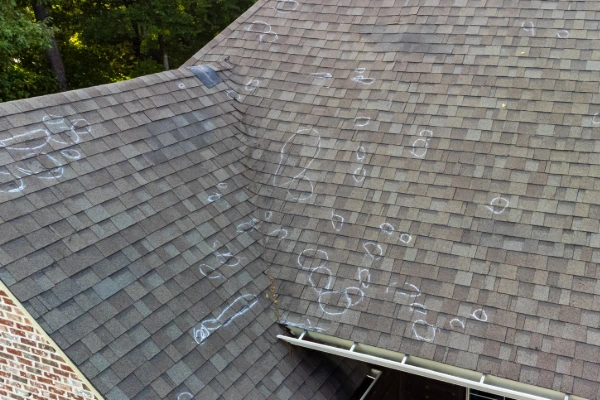
The sooner the better, but don’t wait longer than a few weeks. You often have a limited amount of time to file storm-related claims, and visible damage can be harder to document the longer you wait. Secondary damage from rain and sun exposure can also complicate an insurance claim if it’s unclear what was caused by the hail and what came later. At Bill West Roofing, our free roof estimates give you a clear, honest picture of what the storm did to your roof. There’s no pressure and no guesswork. Just straight answers so you can decide what to do next.
Does Homeowners Insurance Cover Hail Damage to a Roof?
In most cases, yes. A standard homeowners’ insurance policy generally covers hail damage to a roof under the dwelling portion as a sudden and accidental loss. That said, coverage depends on your specific policy, your deductible, and the age and condition of your roof at the time of the storm. Some policies depreciate older roofs, meaning the payout may not cover a full replacement. Your insurance company adjuster will come out to assess the damage, and having a roofer present during that inspection, or a professional inspection report to reference, can make a real difference in the outcome.
Should I File an Insurance Claim for Hail Damage?
This depends on the extent of the damage and your deductible. If the cost of repairs is close to or less than your deductible, filing a claim may not be worth it since you’d pay out of pocket either way, and a claim can affect your premiums. For significant hail damage roof repair in Kansas City, filing is almost always worthwhile. Before you call your insurance company, get a professional inspection first. Knowing the actual scope of the damage can help you make a more informed decision and provide documentation to support your claim if you move forward.
How Much Does It Cost to Repair Hail Damage on a Roof?
Repair costs vary based on how much of the roof was affected, the type of materials in use, and whether the damage is isolated or requires a full replacement. Minor repairs may run a few hundred dollars. A full roof replacement for a mid-size Kansas City-area home can range significantly depending on size and material choice. Bill West Roofing offers financing through Acorn Finance for homeowners who need to manage the cost of a larger project. The goal is to make sure cost doesn’t stand between your family and a roof that holds up for years to come.
Do I Need a Full Roof Replacement After Hail Damage?
Not always. Whether the damage is localized enough to be addressed with repairs or widespread enough that replacement makes more practical and financial sense will be determined by a professional inspection. If the hailstorm was severe enough to impact a large portion of the roof’s surface, especially if the roof was already aging, replacement may be the more cost-effective long-term option. This is where material selection matters. Bill West Roofing installs products from Owens Corning, GAF, and CertainTeed, all of which offer shingle lines with enhanced impact resistance ratings. Choosing a higher-impact-rated shingle during a replacement can lower your risk and, in some cases, your insurance premium.
Can Hail Damage Void My Roof Warranty?
Hail damage itself typically does not void a manufacturer’s warranty, but filing a claim for hail damage and then having repairs done improperly or using materials that don’t meet the original manufacturer’s specs can create warranty complications. If your roof is still under a manufacturer’s warranty from Owens Corning, GAF, or CertainTeed, make sure any repairs or replacement work is done by an authorized contractor who installs those materials correctly. This protects both your investment and your warranty standing going forward.
Preserve the Family Home Your Kids and Grandkids Can Return To
In communities like Blue Springs, Independence, and Lee’s Summit, a lot of families have lived under the same roof for a generation or more. That doesn’t happen by accident. It happens because someone made sure the house was taken care of with the kind of work that doesn’t make the news but makes all the difference. Bill West Roofing is a family roofer keeping homes strong since 1976 and for generations to come. May they always come home to a roof that’s ready for them.
If your home took a hit in a recent storm, don’t wait. Contact Bill West Roofing for a free estimate. We’ll give you an honest assessment, walk you through your options, and help you take the right next step. No sales pitch, just straight talk from a team that’s been here a long time and plans to stay.