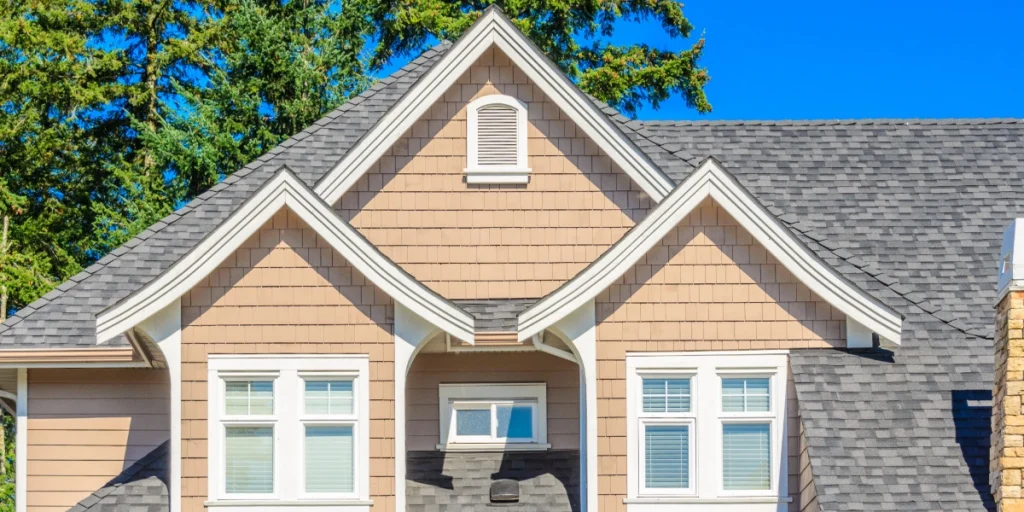
Bill West Roofing has helped homeowners in Blue Springs, Independence, Lee’s Summit, and the greater Kansas City area choose the right roof for their homes since 1976, and one question comes up more than any other: What type of roof shingle makes the most sense for my house? The answer depends on what you are trying to protect, how long you plan to stay in your home, and how much wind, hail, and temperature swing your roof needs to handle. Missouri and Kansas weather can be tough on a roof, so the shingle you choose does more than change how your home looks from the street. It plays a direct role in how well your roof holds up over the next two or three decades. This guide walks through the different types of roofing shingles available today, what sets them apart, and how to think through the decision as a homeowner making a long-term investment.
3-Tab Shingles vs. Architectural Shingles: What’s the Practical Difference?
When most homeowners compare types of roofing shingles, they are really comparing architectural and 3-tab. The differences show up in how each is built, how long each one lasts, and how much wind and impact they can handle before they fail. Knowing the practical difference before you get a quote on a roof replacement makes it easier to have a straightforward conversation with your roofer, rather than choosing based on sticker price alone.
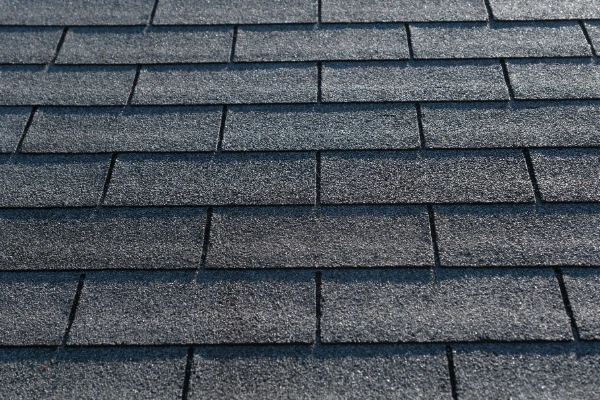
3-Tab Shingles
3-tab shingles are flat, single-layer shingles made from a single uniform strip of material. They carry a lower upfront cost than other options, which is why they have been a common choice for decades. They typically carry a wind rating of around 60 mph and a manufacturer’s lifespan of 15 to 20 years, though local conditions in Missouri and Kansas often bring that number down in practice.
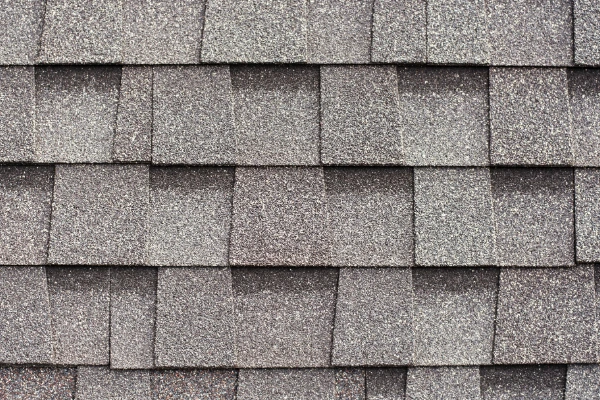
Architectural (Dimensional) Shingles
Architectural shingles, sometimes called dimensional shingles, are layered and thicker than 3-tab shingles. The extra layer creates shadow lines and a sense of depth across the roof. They handle wind speeds up to 130 mph and last 25 to 30 years, which is why they are the standard recommendation for most homes across Missouri today.
Are Class 4 Impact-Resistant Shingles Worth It in Missouri?
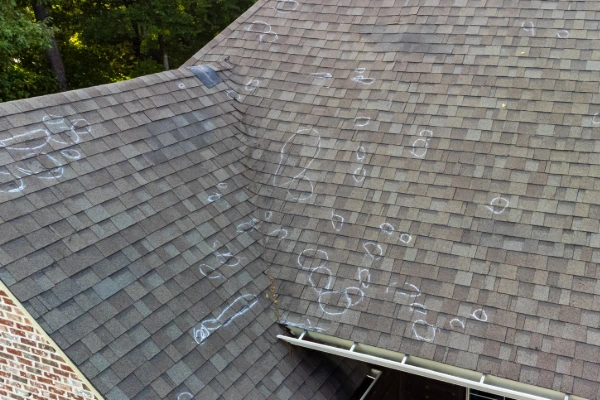
Yes, and frequently so. Missouri sits in a heavy hail zone, which means a roof here takes on more impact stress over its lifetime than a roof in many other parts of the country. Class 4 shingles are tested under UL 2218, a standard that measures how well a shingle withstands severe hail impact without cracking or losing the granules that protect it from sun and moisture damage.
The payoff goes beyond avoiding repeat roof repairs after every storm. Many Missouri home insurance carriers offer ongoing annual policy discounts, often in the 10 to 25 percent range, for homes with Class 4 shingles installed. For a homeowner planning to stay in their house for years to come, that discount can offset a meaningful share of the upfront cost over time.
How Long Do Asphalt Shingles Actually Last in Missouri and Kansas?
Manufacturers often advertise 30-year or lifetime warranties, but local conditions shorten the practical lifespan of a shingle roof. Here is what homeowners in this region can realistically expect:
- 3-Tab: 12 to 15 years
- Architectural: 20 to 25 years
- Impact-Resistant: 25 to 30 years
Humidity, sharp seasonal temperature swings, summer heat, and granule loss from hail all speed up wear over time. A shingle rated for 30 years under laboratory conditions will not always last that long on a Kansas City-area roof, which is one reason the right shingle choice matters as much as the installation itself.
Should You Install New Shingles Over an Existing Roof?
While the Missouri building code allows up to two layers of asphalt shingles in many jurisdictions, most local contractors, including our team, advise against installing new shingles directly over old ones. A layover traps heat between the two layers, which shortens the new shingle’s life before it has a chance to prove itself. It also adds extra weight to the roof structure and removes the opportunity to inspect the plywood deck underneath for rot, soft spots, or storm damage that a fresh layer of shingles would simply cover up rather than fix.
Choosing the Right Shingle for Your Home
The right shingle for your home comes down to how long you plan to stay, what your roof has to withstand each year, and what kind of protection matters most to your family. Bill West Roofing has installed CertainTeed®, GAF®, and Owens Corning® roofing systems on homes in Blue Springs, Independence, Lee’s Summit, and communities throughout the Kansas City metro for 50 years, so we have seen firsthand which shingles hold up and which ones do not in this part of the country.
A roof is not just a home improvement. For most families, it protects the biggest investment they will ever make and the house their kids grew up in. Choosing a shingle backed by a real manufacturer’s roofing warranty and a straightforward installation helps preserve the family home that your kids and grandkids can return to for years to come.
Bill West Roofing: a family roofer keeping homes strong for generations to come.
If you are weighing your options and want a straightforward answer for your specific roof, contact Bill West Roofing. We offer free roof assessments and will walk your roof with you, explain what we find, and help you understand exactly what you are paying for before any work begins.