When a roof leak hits, the clock starts ticking. If you’ve lived in the Kansas City area long enough, you know how fast a spring storm or a bitter winter can expose a weak spot overhead. Bill West Roofing has been helping families across the metro protect what matters most since 1976, and one of the most common calls we get is from homeowners who aren’t sure what to do in those first critical minutes and hours after a leak starts. This post walks you through exactly that, so you can protect your home, your belongings, and the people inside while help is on the way.
Is a Leaking Roof Actually an Emergency?
Yes — and you should treat it like one. A roof leak isn’t just a water problem. It’s a structural, safety, and financial problem all at once. The longer water is allowed to enter your home, the more damage it can do to your insulation, drywall, framing, and electrical systems. Even a small, steady drip can cause serious harm if it goes unaddressed for more than a day or two. When your roof is compromised, time is not on your side. If you notice water coming in, whether it’s a trickle or a steady stream, treat it as an urgent situation and contact a roofing contractor as soon as possible.
What Should I Do Immediately if My Roof Starts Leaking?
The first thing to do is stay calm and move fast. Here’s a straightforward plan to limit the damage before a professional can get there.
Step 1: Move Valuables and People Away from the Affected Area
Get furniture, electronics, and anything irreplaceable out of the path of the leak. Check on everyone in the home and keep them out of any room where the ceiling looks swollen or unstable. That’s a sign water is pooling above it.
Step 2: Contain the Water
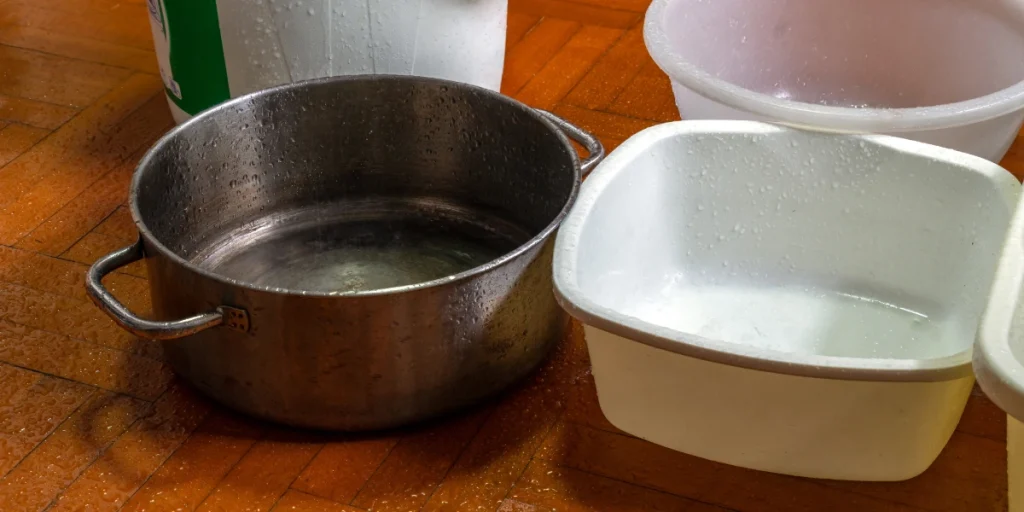
Place buckets under active drips. If the ceiling is bulging, carefully puncture it with a screwdriver to release the trapped water in a controlled way; this prevents a collapse. Be ready to empty containers frequently during a hard rain.
Step 3: Try to Identify Where the Water Is Coming From
Take a careful look in your attic if it’s safe to do so. Often, the source of the roof leak is a few feet away from where water appears on your ceiling, since water travels along rafters and decking before dripping down. Look for wet insulation, dark staining on wood, or visible light coming through the roof. Don’t attempt to climb onto your roof — that’s a job for a professional, especially in wet conditions.
Step 4: Attempt a Temporary Interior Fix
If you have plastic sheeting or a heavy-duty tarp, you can use it to cover vulnerable areas inside the attic or catch water before it reaches your ceiling. Secure it with boards or heavy objects. This is a temporary measure only. It is not a substitute for a proper emergency roof repair.
How Do I Stop a Roof Leak From the Inside?
Stopping a roof leak from the inside is about managing water, not fixing the actual problem — but it can save a lot of money in secondary damage while you wait for repairs. Use plastic sheeting, tarps, or even garbage bags to cover exposed areas in the attic. Divert water away from insulation and wood framing as much as possible, since saturated insulation loses its effectiveness and wet wood begins to rot and grow mold faster than most homeowners expect. You can also use roofing tape or waterproof sealant around pipes or vents in the attic as a short-term patch. But again, get a professional out as quickly as you can for a lasting repair.
What Causes a Roof to Suddenly Start Leaking?
Roof leaks rarely come from nowhere. Most of the time, there’s an underlying condition that’s been developing for a while, and a storm or temperature swing is just what pushes it over the edge.
Storm Damage
Heavy rain, high winds, and hail are among the most common causes of roof leaks after a storm in the Kansas City area. Shingles can crack, curl, or blow off entirely, leaving the underlayment and decking exposed. Even a small missing shingle in the wrong spot can let water in fast.
Flashing Failures
Roof flashing is the thin metal material installed around chimneys, skylights, vents, and where the roof meets a wall. When flashing cracks, corrodes, or pulls away from the surface, water finds its way underneath. This is one of the most frequently overlooked causes of roof leaks, and it’s one of the most common sources of leaks in older homes.
Worn or Damaged Shingles
Asphalt shingles have a lifespan. When they’re near the end of it, they lose granules, become brittle, and develop cracks. A roof that’s 20 or 25 years old and has never been replaced is one storm away from a significant emergency roof repair call.
Clogged or Damaged Gutters
When gutters back up with debris, water can pool at the roof’s edge and work its way under the shingles — a condition known as an ice dam in winter or water backup in heavy rain. Keeping your gutters cleared and in good shape is one of the simplest ways to prevent roof leaks.
Pipe Boot Failures
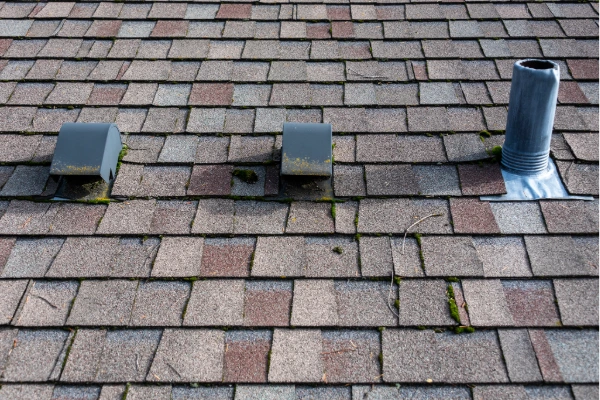
The rubber boots that seal around plumbing vent pipes on your roof deteriorate over time. When they crack or split, water runs straight down the pipe and into your ceiling. This is a surprisingly common cause of roof leaks that’s often missed during visual inspections.
Can a Roof Leak Cause Structural Damage?
Absolutely. This is one of the biggest reasons why a roof leak is always an emergency, not something to put off. Water is relentless. Given enough time and access, it will damage the wooden structure of your roof: the rafters, decking, and trusses that hold everything up. Prolonged moisture can lead to rot, weakening the roof’s structural integrity. It can spread to the wall framing as well. Beyond the structure itself, water intrusion creates ideal conditions for mold growth, which poses real health risks to your family. It’s also expensive to remediate. It can also damage your home’s insulation, reducing energy efficiency and creating fire hazards if water reaches your electrical wiring.
Is It Safe to Stay in My Home With a Leaking Roof?
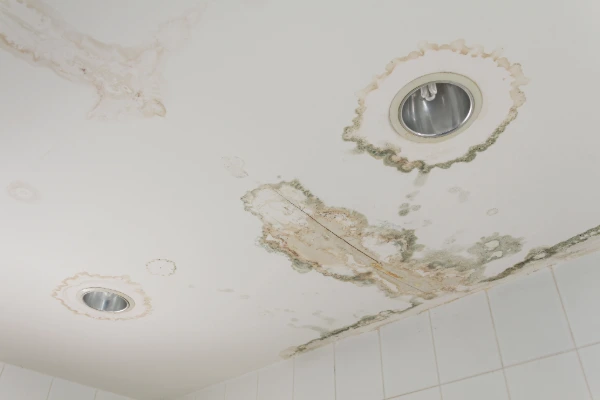
In most cases, yes — but it depends on the severity. If you have a small drip from a pinhole leak and there’s no danger of ceiling collapse, you can stay in your home while monitoring the situation and waiting for repairs. However, if any of the following are true, you should consider staying elsewhere until the problem is fixed:
- The ceiling is sagging heavily or shows signs of imminent collapse.
- Water is near electrical panels, outlets, or wiring.
- The leak is widespread and affecting multiple areas.
- There are signs of mold growth or a musty smell spreading through the home.
Use your best judgment, and if you’re unsure, err on the side of safety.
Should I Call My Insurance Company Before Calling a Roofer?
Most insurance professionals recommend calling a roofer first to document the damage and then contacting your insurance company to start a claim. A roofing contractor can provide you with a written assessment of the damage right away, which is useful documentation when you file a claim. Your insurance company will likely send an adjuster, and having a professional evaluation from a trusted local roofer on record can make that process go more smoothly. If you have an emergency situation — water actively entering your home — getting a roofer out quickly to do a temporary roof repair is always the right call. Don’t wait for your insurance company before stopping active damage.
How Quickly Can a Roofer Respond to an Emergency Roof Leak?
Response times vary by contractor and by season. During peak storm season in Kansas City, roofing companies can quickly get backed up. That’s one reason it matters to have a relationship with a local contractor you trust before you’re ever in a crisis. Bill West Roofing serves Kansas City and the surrounding communities and responds to emergency roof repair calls throughout the metro. If you’re dealing with an active leak, call as soon as possible — the faster you get a professional on-site, the better your chances of preventing serious secondary damage.
Protect the Home Your Family Comes Back To
There’s a certain kind of pride that comes with owning a home in this part of the country. It’s not just a building; it’s the place your kids grew up, the house your grandkids will come back to for holidays, the foundation of everything your family has built together. Preserve the family home that your kids and grandkids can return to. May they always come home.
Bill West Roofing is a family roofer keeping homes strong for generations to come. We’ve been at this since 1976 because the people in this community deserve a contractor they can count on. When something goes wrong with your roof, you shouldn’t have to wonder whether the person showing up knows what they’re doing or whether they’ll still be around when you need them next time. We will be.
Contact Bill West Roofing for Emergency Roof Repair in Kansas City
If you’re dealing with an emergency roof leak in Kansas City or anywhere in the surrounding metro — Blue Springs, Independence, Lee’s Summit, Raytown, or communities in Johnson and Wyandotte counties — contact Bill West Roofing right away. We offer free estimates and financing options through Acorn Finance to help make necessary repairs manageable. Don’t wait for a small leak to become a big problem.
